
Why NorthArc exists
NorthArc exists because of one repeated mistake.
Expanding into the US is rarely the wrong call. What goes wrong is that no one owns the structure — which entities exist, where they sit, who owns what, who employs whom — or the order those decisions are made in. Together, those choices set what you pay in tax, how the business runs day to day, and whether it stays investable. NorthArc was built to take that ownership.
This page is the evidence behind that point of view.
Why founders trust NorthArc
15+ years
Advising founders and investors on cross-border structure
£15k minimum
Preventable future cost identified, or the fee is refunded
5 working days
To a written recommendation and sequencing roadmap
Built & exited
Operator experience taking UK businesses into the US
The seat no one else sits in
A lawyer, an accountant, and a VC
walk a founder into the US.
After fifteen years advising founders, investors, and boards across cross-border expansion, the same pattern kept appearing — costing real money, years after the original calls were made.
Each is good at their piece. The lawyer incorporates. The accountant files. The recruiter hires. The investor hands over a template that worked for a different company. None of them is paid to own what happens between those decisions — or in what order they’re made. That space has no owner. It’s also where the expensive mistakes compound.
The role NorthArc plays
NorthArc sits above those individual decisions and answers the questions none of them are positioned to:
- What’s already been triggered
- Which routes remain genuinely open
- What order the decisions must be made in
- Which structure withstands future scrutiny
Why our recommendations look different

Most firms approach US expansion through a single technical lens — the tax answer, or the legal answer. NorthArc combines chartered tax expertise with operator experience, because the right call is usually where those two views disagree.
Before founding NorthArc, Stephen built, scaled, and exited an international advisory firm helping founders navigate exactly these cross-border decisions — so the view here isn’t observed from the sidelines.
He has also sat on the founder side of the table, with operating experience running a venture-backed AI company. That combination — technical depth plus lived operating judgement — is what shapes how NorthArc works today.
Recognised work
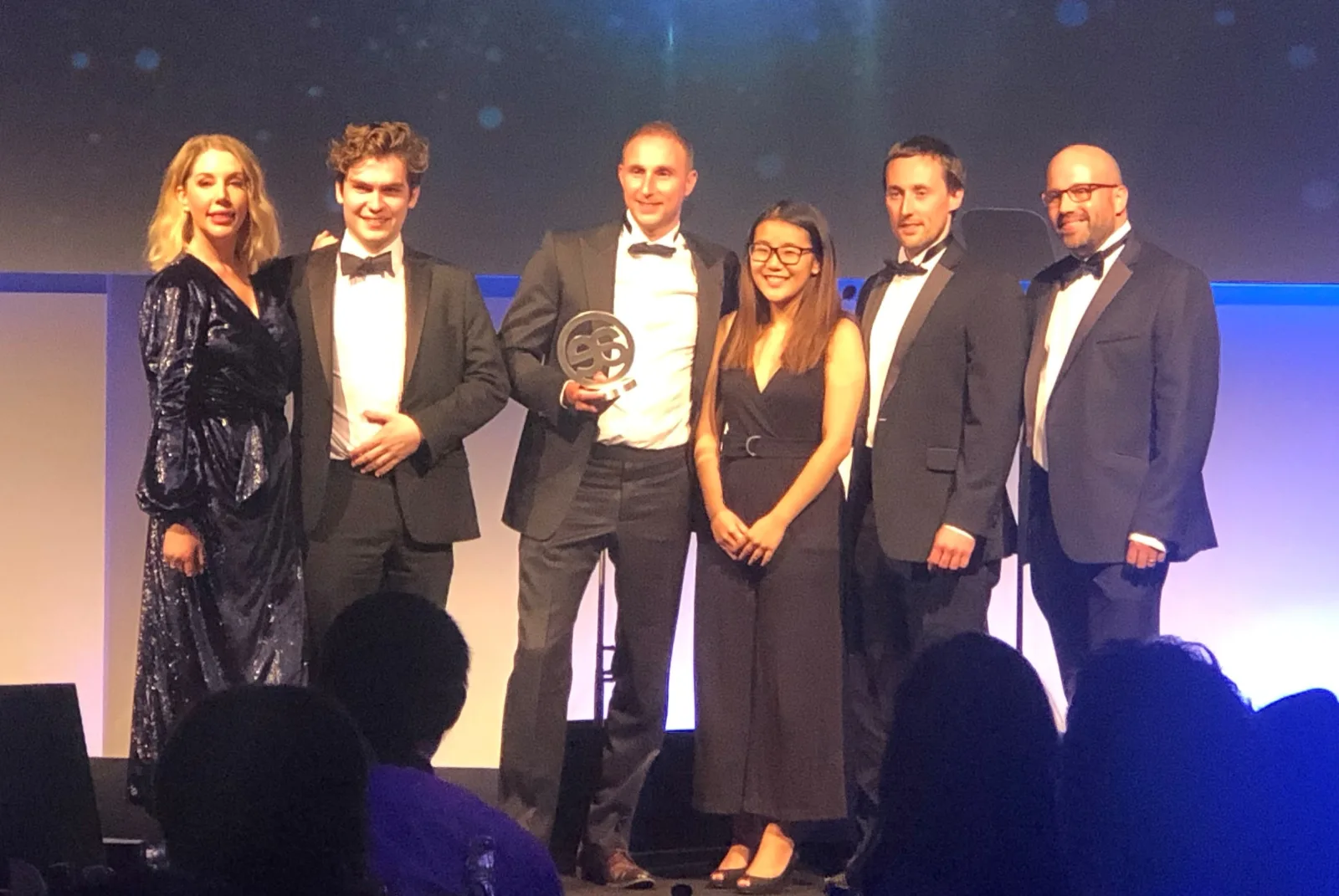
Specialist Team of the Year, Accounting Excellence Awards.
Stephen’s prior firm, recognised for cross-border advisory work across multiple jurisdictions — the same discipline NorthArc is built around.
What founders actually have to decide
The decisions you can’t easily undo.
These aren’t topics. They’re the live decisions where order and judgement change the outcome — and where getting the sequence wrong is expensive to reverse.
- 01
Incorporate in the US now, or hold?
- 02
UK HoldCo over a US subsidiary, or US parent?
- 03
Settle the EMI scheme before restructuring, or after?
- 04
The first US hire — through which entity?
- 05
What does crossing do to founder residency and personal exposure?
A decade of being the first call
Stephen has been my first call on anything tax related and commercially important for almost a decade.

Simon O’Kelly
Founder & CEO, UMA Entertainment Group
What we believe
-
Most founders optimise tax too early.
Optionality matters before optimisation. The cheapest structure on day one is often the one that’s most expensive to unwind at the round.
-
Incorporation isn’t strategy. It’s paperwork.
Forming the entity is the easy part. The decision is what should exist, where, and in what order — long before the form is filed.
-
Compliant doesn’t mean good.
Plenty of fully compliant structures are still bad structures for the company that has to live inside them.
-
Fixing a structure costs more than designing one.
Prevention is cheaper than remediation — usually by an order of magnitude, and usually discovered too late.
-
Sequence beats the individual decisions.
The right moves in the wrong order still break. Most US expansion goes wrong here, not in the choices themselves.
Start with the Exposure Score
See where your UK–US structure stands today.
Get Your Free Exposure ScoreAlready read enough? Book a Crossing Conversation — 45 minutes, free, with Stephen directly.